
By Pavel Stich / COPYWRITER & SEO SPECIALIST
Last Updated: January 2026
Fear is the ultimate weapon in the debt collection industry. If your phone is ringing incessantly and an aggressive voice on the other end is threatening you with arrest, police warrants, or jail time, you are likely terrified. In 2026, despite stricter regulations, predatory lenders and third-party collectors continue to use psychological warfare to extract payments.
You need to know the truth immediately.
The short answer is no. You cannot go to jail simply for failing to repay a payday loan, a title loan, or a personal installment loan in the United States.
Applying does NOT affect your credit score!
However, the reality is slightly more nuanced than a simple “no.” While you cannot be imprisoned for debt, aggressive creditors can sue you in civil court, and in very rare, specific instances involving check fraud, legal lines can blur.
This comprehensive guide serves as your defense shield. We will dismantle the lies collectors tell, explain the specific federal laws that protect you, and outline the actual consequences of defaulting on a loan in 2026.
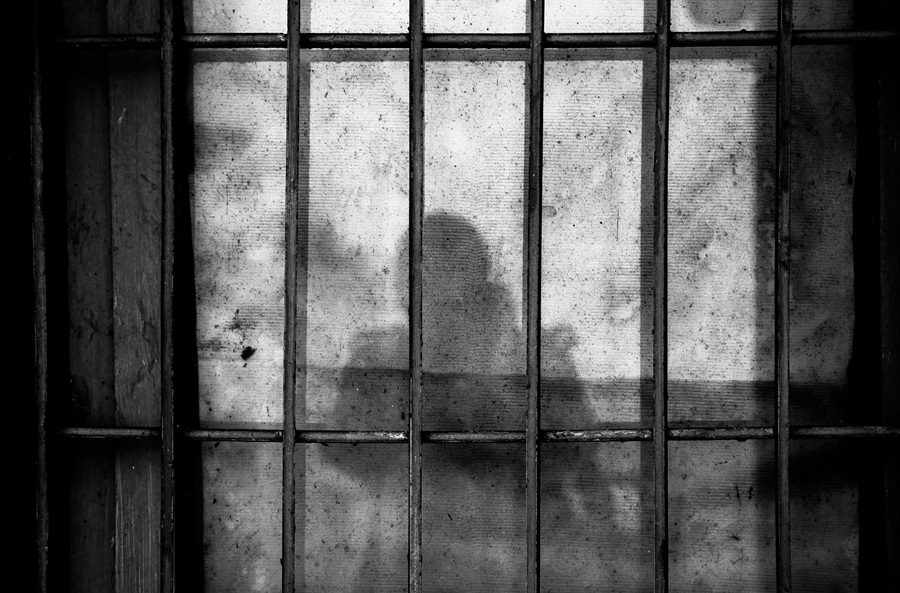
The Abolition of Debtors’ Prisons
To understand your rights, you must first understand the foundation of American contract law. The United States abolished federal debtors’ prisons in 1833.
In the eyes of the law, a payday loan is a civil contract, not a criminal matter. When you take out a loan, you sign a contract promising to repay the funds. If you break that promise (default), you have breached a contract.
Breaching a contract is not a crime. You cannot be arrested for it, just as you cannot be arrested for failing to pay your cable bill or missing a credit card payment.
Consequently, if a debt collector tells you that the police are on their way, or that a warrant has been issued for your arrest due to an unpaid balance, they are lying. Furthermore, they are breaking federal law.
The “Bad Check” Loophole: How Collectors Manufacture Fear
If the law is so clear, why do collectors still threaten jail time? They often attempt to exploit “bad check” laws to frighten borrowers.
When you take out a payday loan, you typically provide a post-dated check or an authorization for an electronic withdrawal (ACH) for the repayment date. If that check bounces or the withdrawal fails due to insufficient funds, the lender might claim you have committed “check fraud” or “theft by deception.”
Why This (Usually) Doesn’t Work in Court
In 2026, courts across the US overwhelmingly reject this argument for payday loans. Here is why:
- Intent to Defraud: To prove fraud, a prosecutor must prove you intended to steal the money.
- Knowledge of Insufficiency: Since the payday lender knew you didn’t have the money at the time you wrote the check (that is why you needed the loan), they cannot claim they were deceived.
- Post-Dated Nature: By accepting a post-dated check, the lender acknowledges that it is a promise to pay in the future, not a current payment instrument.
Therefore, unless you closed your bank account immediately after taking the loan (which could look like intent to defraud), a bounced payday loan check is a civil matter, not a criminal one.
If you are currently struggling with this cycle, reading our guide on how to get out of payday loan debt is a crucial next step.
Applying does NOT affect your credit score!
Illegal Debt Collection Practices (FDCPA Violations)
The Fair Debt Collection Practices Act (FDCPA) is a federal law that restricts how third-party debt collectors can interact with you. In 2026, the Consumer Financial Protection Bureau (CFPB) strictly enforces these rules.
It is illegal for a debt collector to:
- Threaten you with arrest or jail time.
- Claim they are law enforcement officers or government officials.
- Threaten to garnish your wages without a court order.
- Call you before 8 a.m. or after 9 p.m.
- Harass you with repeated calls or use profane language.
If a collector does any of these things, they are the ones breaking the law, not you. You can actually sue them for damages.
Beware of Tribal Lenders
While most state-licensed lenders adhere to these rules, tribal payday loans often claim sovereign immunity to bypass state laws. However, they are still subject to federal criminal statutes regarding harassment and extortion.
The Actual Consequences of Defaulting
Just because you won’t go to jail doesn’t mean there are no consequences. If you stop paying, the lender has legal avenues to recover their money. These are civil penalties, not criminal ones.
1. Damage to Credit Score
Most payday lenders do not report to the big three credit bureaus (Experian, TransUnion, Equifax). However, if they sell your debt to a collection agency, that agency will report the default. This can drop your score significantly, making it harder to get personal loans for bad credit in the future.
2. Civil Lawsuits and Judgments
If the debt is significant, the lender may sue you in civil court. If you ignore the court summons, the judge will issue a “default judgment” against you.
- Important: You cannot go to jail for losing the lawsuit.
- However: You can go to jail if you ignore a specific court order after the judgment (such as failing to appear for a hearing to disclose your assets). This is called “Contempt of Court,” but it is rare in small debt cases.
3. Wage Garnishment
With a court judgment in hand, the lender can apply to garnish your wages. This means a portion of your paycheck is sent directly to them before you see it.
- Note: This requires a court order. A collector cannot simply call your boss and demand money.
4. Bank Levy
A creditor with a judgment can also freeze your bank account and seize funds to pay the debt.
Comparison: What They Say vs. The Truth
To clarify the situation, we have broken down the common threats versus the legal reality in 2026.
| The Threat | The Reality |
| “We are sending the police to your home.” | False. Police do not collect debts. This is a scare tactic. |
| “You committed check fraud.” | Likely False. A bounced check for a loan is usually not fraud unless you closed the account intentionally to hide funds. |
| “We will garnish your wages tomorrow.” | False. They must sue you, win, and get a court order first. This takes months. |
| “You will be charged with theft by deception.” | False. Inability to pay is not theft. |
Actionable Steps: What to Do If Threatened
If a debt collector threatens you with jail, do not panic. Follow this sophisticated action plan to protect yourself.
Step 1: Document Everything
Stop speaking on the phone. Ask them to communicate via email or mail only. If they call, write down:
- The time and date.
- The name of the agent.
- The exact words they used (especially threats of arrest).
Step 2: Send a “Cease and Desist” Letter
Under the FDCPA, you have the right to demand they stop contacting you. Once they receive this letter, they can only contact you to inform you of a specific legal action (like a lawsuit).
Step 3: Verify the Debt
Request a “Debt Validation Letter.” They must provide proof that you owe the money and that they are authorized to collect it. Many scammers cannot provide this.
Step 4: Report Them
File a complaint with:
- The Consumer Financial Protection Bureau (CFPB).
- Your State Attorney General’s office.
- The Federal Trade Commission (FTC).
Applying does NOT affect your credit score!
Alternatives to Defaulting
If you are reading this, you are likely in a financial bind. Defaulting causes stress, but taking out a new high-interest loan to pay the old one often makes things worse.
Consider these strategic moves instead:
- Debt Consolidation: If you have income, you might qualify for a loan with a lower interest rate to pay off multiple payday lenders. Look into best personal loans for debt consolidation.
- Bad Credit Installment Loans: These offer longer terms than payday loans, significantly reducing your monthly burden. Check our list of installment loans for bad credit direct lenders.
- Emergency Funding: If you need immediate cash for essentials (not to pay the debt), avoid predatory sharks. Review options for i need a payday loan immediately that list reputable sources.
- Cash Advance Apps: For smaller amounts to cover groceries or gas, modern apps are cheaper than payday loans. See our review of payday loan apps.
Frequently Asked Questions (FAQ)
Absolutely not. You have the right to ignore their calls. It is not a crime to avoid communication with a private company.
The laws of your state generally apply to the collection practices. Furthermore, federal laws like the FDCPA apply across all 50 states regardless of where the lender is located.
It depends on the “Statute of Limitations” in your state. In many states, debt becomes “time-barred” after 3 to 6 years. This means they can no longer legally sue you for it, though they may still try to collect.
It is not a crime to close an account. However, you still owe the money. Additionally, if you closed the account immediately after receiving the loan without making a payment, a lender might argue you never intended to pay, though proving criminal intent is still difficult for them.
If you are unemployed, you still have options if you receive benefits or other forms of income. Read our guide on personal loans for unemployed.
Conclusion
The fear of jail is a powerful tool, and predatory lenders wield it shamelessly. But in the United States, in 2026, you cannot be imprisoned for poverty.
If a debt collector threatens you with arrest, they have handed you a weapon: the ability to report them for federal violations. Do not let them bully you into making decisions that harm your financial future, such as taking out a 255 payday loan online same day just to silence a harasser.
Take a deep breath. You have rights. The law is on your side. Focus on stabilizing your finances through legitimate consolidation or repayment plans, and ignore the empty threats of those who seek to exploit your fear.
Applying does NOT affect your credit score!
Disclaimer: The information provided in this article is for educational purposes only and does not constitute legal advice. If you are being sued or face legal action, please consult with a qualified attorney or consumer protection lawyer in your jurisdiction.