
By Pavel Stich / COPYWRITER & SEO SPECIALIST
Last Updated: January 2026
In the modern American economy, the concept of “employment” has fundamentally shifted. By 2026, it is estimated that nearly 40% of the US workforce participates in the gig economy, whether as full-time freelancers, independent contractors, or small business owners. You are the engine driving innovation and flexibility in the market.
Back to Main Guide: Personal Loans Guide 2026
However, when you walk into a traditional bank to request a personal loan, you often hit a brick wall.
The problem is not that you don’t make money. The problem is that traditional banking algorithms are obsessed with the W-2 form. To a legacy bank, a bi-weekly pay stub represents stability. To them, your fluctuating freelance income, complex tax deductions, and lack of an employer guarantee look like “risk.”

Applying does NOT affect your credit score!
Here is the good news: The lending landscape has evolved. Specialized fintech lenders and forward-thinking banks now utilize “Alternative Data” underwriting. They can analyze your bank statements, your cash flow trends, and your education to approve you—even if you haven’t received a pay stub in years.
In this definitive guide, we have analyzed the market to find the Best Personal Loans for Self-Employed Borrowers in 2026. We will explore which lenders accept bank statements as proof of income, how to navigate the “Net Income” tax trap, and how to secure capital without a W-2.
Top 6 Lenders for Self-Employed Borrowers (January 2026)
We selected these lenders based on their flexibility with income verification and their willingness to underwrite 1099 workers.
| Lender | Best For… | Est. APR Range | Income Verification Method |
| 1. SoFi | High Earners (Good Credit) | 7.99% – 23.43% | Tax Returns / Cash Flow Analysis |
| 2. Upstart | New Freelancers / Thin File | 7.80% – 35.99% | Education & Job History (AI) |
| 3. Upgrade | Fair Credit / Cash Flow | 8.49% – 35.99% | Bank Statements Accepted |
| 4. LendingClub | Borrowers with a Spouse | 9.57% – 35.99% | Joint Application (Co-borrower) |
| 5. Best Egg | Homeowners | 8.99% – 35.99% | Tax Transcripts |
| 6. Avant | Mid-Range Credit Scores | 9.95% – 35.95% | Bank Statements / 1099s |
The “No Proof of Income” Myth: What You Actually Need
Before dissecting the lenders, we must clarify a critical SEO term often found in searches: “Personal loans with no proof of income.”
Let’s be brutally honest: No legitimate, regulated lender in the United States will give you a significant personal loan without some verification that you can pay it back. Lenders who promise “No Income Verification” are usually:
- Predatory Title Lenders: Risking your car.
- Scammers: Seeking an upfront fee.
However, for the self-employed, “Proof of Income” looks different. You do not need a pay stub. Instead, the lenders listed below allow Alternative Documentation.
Acceptable “Self-Employed” Documentation in 2026:
- Bank Statements: 3 to 6 months of personal or business bank statements showing consistent deposits.
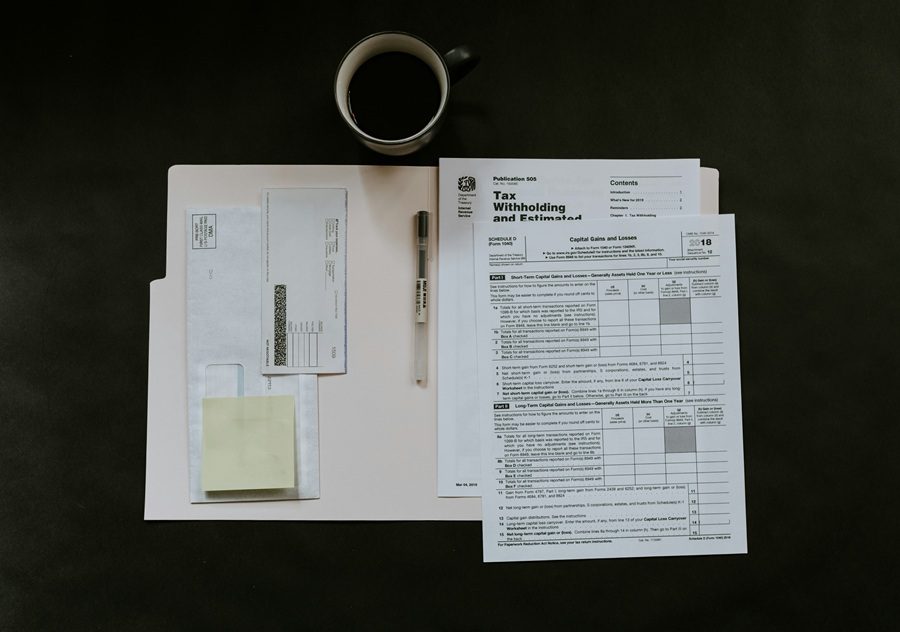
- Tax Returns (Schedule C): The gold standard. Lenders look at your “Net Profit.”
- 1099 Forms: Forms from clients showing gross earnings.
- Transcripts: IRS summaries of your past filings.
In-Depth Reviews: Best Loans for the Gig Economy
1. SoFi: The Premium Choice for Established Pros
Best For: Freelancers with strong credit (680+) and high revenue.
SoFi (Social Finance) understands that a lawyer running their own firm or a senior software consultant is not “high risk” just because they are self-employed.
Why it works for you:
SoFi uses a sophisticated underwriting model that looks at “Free Cash Flow.” If you can provide two years of tax returns showing solid income, SoFi offers high loan limits (up to $100,000) and competitive rates that beat most traditional banks.
- Verification: Usually requires two years of tax returns (1040s).
- Pros: Unemployment protection (even for some self-employed scenarios); zero fees.
- Cons: Strict on credit score; difficult for “new” businesses (under 2 years).
2. Upstart: The AI Revolution for New Freelancers
Best For: Gig workers with shorter histories or “fair” credit.
If you recently quit your corporate job to go freelance, you might not have two years of tax returns yet. This is where Upstart shines.
Why it works for you:
Upstart’s Artificial Intelligence model weighs your education, area of study, and employment history heavily. Even if your current freelance income is fluctuating, Upstart can approve you based on your potential and your past professional track record.
- Verification: Often automated (instant). If manual, they may accept bank statements.
- Pros: High approval odds for thin files; fast funding.
- Cons: Origination fees can be higher for riskier profiles.
3. Upgrade: The Cash-Flow Centric Lender
Best For: Borrowers who manage cash flow well but have “Fair” credit (600-660).
Upgrade is aggressive in the fintech space. They are far more interested in your monthly budgeting discipline than your tax deductions.
Why it works for you:
Upgrade is known for accepting Bank Statements to verify income when tax returns are complicated. If your tax return shows a loss (because of write-offs) but your bank account shows healthy monthly deposits, Upgrade is willing to listen.
- Verification: Flexible. Bank statements and 1099s are often sufficient.
- Pros: Direct pay to creditors (for debt consolidation); mobile-friendly.
- Cons: Origination fees apply.
4. LendingClub: The Power of Two
Best For: Self-employed individuals with a W-2 employed spouse.
LendingClub (now a bank) offers a feature that many competitors dropped: Joint Personal Loans.
Why it works for you:
If your freelance income is “unverifiable” or too inconsistent for an algorithm, but your spouse has a steady W-2 job, you can apply together. LendingClub will use the combined income and the highest credit score to determine the rate.
- Verification: Tax returns + Co-borrower’s W-2.
- Pros: Significantly increases approval odds; lowers interest rates.
- Cons: Both parties are liable for the debt.
Applying does NOT affect your credit score!
The “Tax Deduction” Trap: Why You Get Rejected
This is the most important section of this article for self-employed borrowers.
You likely write off everything you can to save on taxes—home office, car mileage, equipment. While this is smart for your tax bill, it is disastrous for loan applications.
The Calculation:
- Gross Income: $100,000
- Business Expenses (Write-offs): -$60,000
- Net Income (AGI): $40,000
When a lender looks at your tax return, they see an income of $40,000, not $100,000. If you apply for a $30,000 loan, you will likely be rejected because your Debt-to-Income (DTI) ratio looks too high based on that $40k number.
The Strategy to Fix This:
- Use “Bank Statement” Lenders: Lenders like Upgrade or Avant may look at your gross deposits rather than your net tax income.
- Add Back Depreciation: Some sophisticated lenders (SoFi) allow you to “add back” non-cash expenses like depreciation to your income calculation. You may need to call their underwriting team to explain this.
How to Apply Without a W-2: A Step-by-Step Guide
To maximize your chances of approval in 2026, follow this tactical workflow.
Step 1: Separate Your Finances
If you are commingling personal and business funds in one checking account, stop immediately.
- Why: Lenders use software like Plaid to scan your account. If they see business expenses (like server costs or inventory) mixed with grocery bills, their algorithm gets confused and rejects you.
- Action: Ensure you have a distinct business account. Submit statements from that account to show revenue.
Step 2: Prepare the “Big Three” Documents
Have these ready as PDFs on your desktop before you click apply. Speed implies organization, which implies reliability.
- Last 2 Years of Tax Returns (All pages, including Schedule C).
- Last 3 Months of Bank Statements (Main operating account).
- Client Contracts (Optional): If you have a long-term retainer contract, have it ready to prove future income stability.
Step 3: Check Your Rate (Soft Pull)
Use the pre-qualification tool on Upstart, SoFi, and Upgrade.
- Do not guess your income. When the form asks for “Annual Income,” use your Net Income from your most recent tax return unless the specific lender asks for “Gross Revenue.” Using Gross Revenue when they expect Net can lead to an immediate denial during verification.
The “Bad Credit” Self-Employed Borrower
If you are self-employed and have bad credit (under 600), the challenge is doubled. Traditional lenders view this as “double risk.”
Your Options:
- OneMain Financial: They are excellent for this. Because they have physical branches, you can sit down with a loan officer. You can walk them through your bank statements and explain your business. Algorithms can’t listen; OneMain officers can.
- Secured Loans: Use your vehicle as collateral. Being self-employed doesn’t matter as much if the loan is secured by an asset.
- No Credit Check Loans (Caution): Avoid these. Instead, look at apps like EarnIn (if you have consistent deposits) or business lines of credit like Fundbox (if you have a business checking account).
Frequently Asked Questions (FAQ)
We have curated the most pressing questions from the freelance community regarding financing.
No. Your employment status does not appear on your credit report. The credit bureaus (Experian, TransUnion, Equifax) only know if you pay your bills on time. However, being self-employed can make using that score to get a loan harder due to income verification hurdles.
Generally, yes. Most lenders allow you to use personal loan funds for “any legal purpose,” including buying a laptop, marketing, or cash flow.
Caveat: Some lenders (like SoFi) may have specific clauses. However, for most freelancers, a personal loan is a common way to fund business growth.
Note: Interest on a personal loan used 100% for business might be tax-deductible. Consult your CPA.
This is a loan where the underwriter ignores your tax return and looks solely at the deposits entering your bank account over the last 12-24 months. These are common in the mortgage world but are becoming more common in personal lending through fintechs like Upgrade or specialized lenders like New Silver (for real estate investors).
Two years is the industry standard.
2+ Years: You qualify for almost all lenders (SoFi, Marcus, LightStream).
1-2 Years: You may qualify for Upstart or Upgrade.
Under 1 Year: It is very difficult to get a substantial personal loan unless you have excellent credit and a prior history in the same field.
No. “Guaranteed approval” is a marketing term used by predatory lenders. Legitimate lenders must assess your ability to repay. However, lenders like Upstart have very high approval odds for self-employed individuals because they look beyond simple tax documents.
Final Thoughts: The Future is Freelance
In 2026, being self-employed is a badge of honor, not a scarlet letter. While legacy banks are slow to catch up, the lenders reviewed in this article—SoFi, Upstart, Upgrade, and LendingClub—have built their infrastructure to serve you.
Your Action Plan:
- Organize: Download your last 3 months of bank statements today.
- Calculate: Know your Net Income vs. Gross Revenue.
- Compare: Check rates with at least three lenders to see who offers the best terms for your specific 1099 profile.
Do not let the lack of a W-2 hold you back. The capital is out there; you just need to present your data to the right lender.
Check Your Options Now:
- Best for New Freelancers: Upstart
- Best for High Earners: SoFi
- Back to Main Guide: Personal Loans Guide 2026
Applying does NOT affect your credit score!
Disclaimer: Cashlendy.com is an independent review site. Terms and rates are subject to change. Financial decisions should be made based on your individual circumstances. Consult a tax professional regarding business deductions.